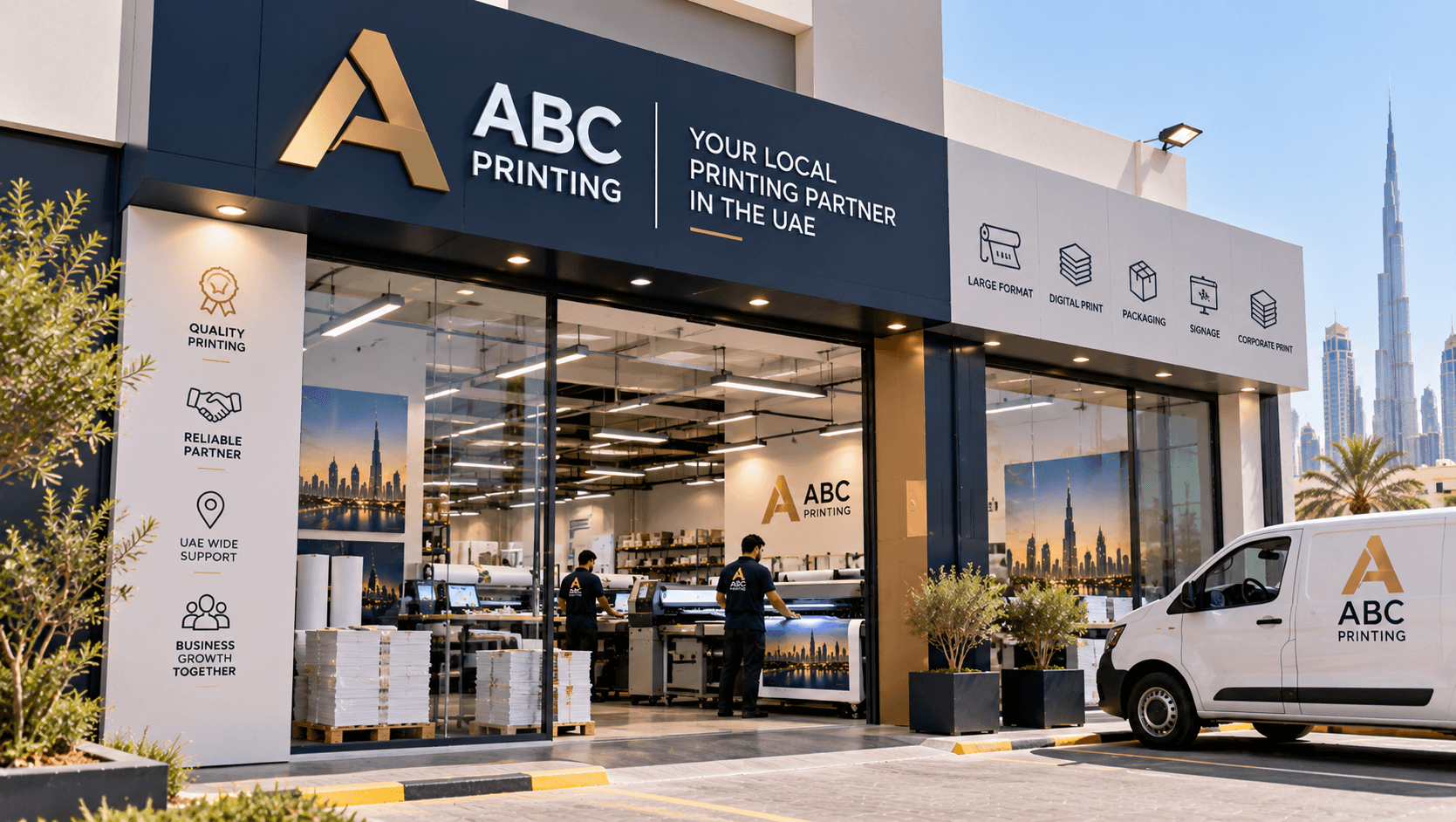
White-Label Printing Explained: How the Print Emirates Partner Model Works
White-label printing means a print shop or business fulfils an order that's presented to the end client under someone else's brand rather than the producing shop's own name. In a partner model, this typically means a smaller or specialized print shop taps into shared demand, capacity, or capability through a larger network, fulfilling orders without needing to build every part of that demand generation or capability itself. The exact terms of any specific white-label or partner arrangement, including pricing, branding rules, and order flow, are set out directly between the parties involved.
This guide explains the general concept of white-label printing, why print businesses use it, and what questions to ask before entering a partner arrangement.
What White-Label Printing Means?
In a standard print transaction, the shop that produces the job is also the shop the client knows and deals with directly. In a white-label arrangement, the production and the client relationship are separated: one party manages the client relationship, quoting and brand presentation, while another party, the white-label producer, handles actual production, often without the end client ever knowing which shop physically printed their order.
This is a common structure across many industries, not just printing, and it exists because production capability and client-facing capability don't always sit within the same business. A shop with excellent large-format equipment but limited client-facing marketing reach can produce work for a partner who has the client relationships but not the equipment, and both sides benefit from the arrangement.
Why Print Shops Use a Partner Model?
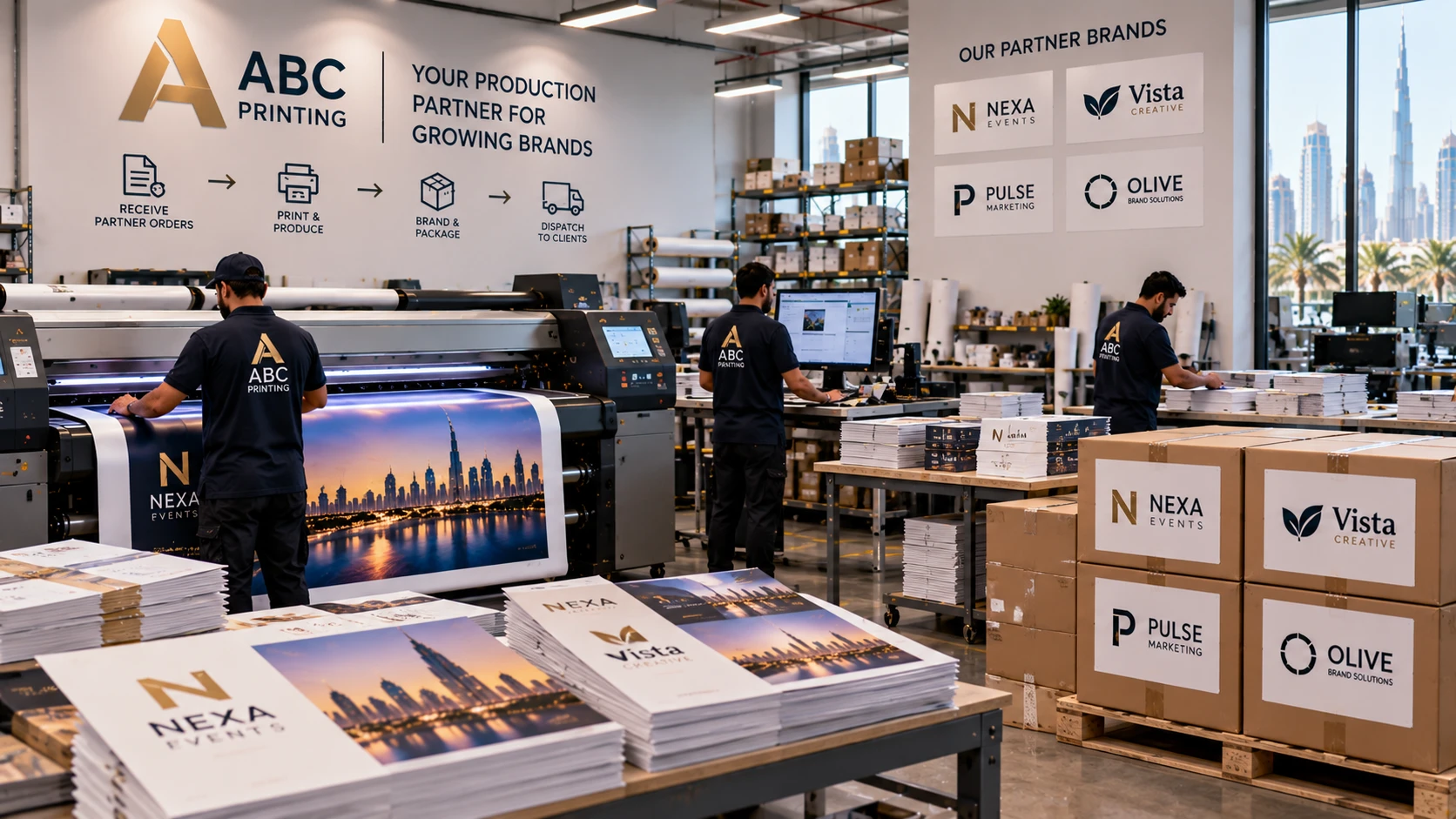
For a smaller or specialized print shop, a white-label or partner arrangement can provide access to order volume that would otherwise require significant investment in marketing, sales relationships, or geographic reach to generate independently. Rather than building all of that from scratch, the shop focuses on what it does well, production, and lets the arrangement's other party handle client acquisition and relationship management.
This can be particularly useful for a shop with underutilized capacity, equipment, or staff time that isn't fully occupied by the shop's own direct client base, where partner-sourced orders fill that gap without requiring additional marketing spend to find the clients directly.
How Order Flow Typically Works?
In a general partner model, an order originates through the partner's client relationship, gets specified and confirmed, and is then passed to the fulfilling shop for production, often with instructions on branding, packaging, or delivery presentation specific to that arrangement. Communication, timelines, and quality expectations are typically agreed upon as part of the partnership structure, so both sides know what's expected before an order is placed. Exact workflow steps depend on the specific arrangement in place. [CONFIRM: order flow and communication process]

Capacity and Quality Considerations
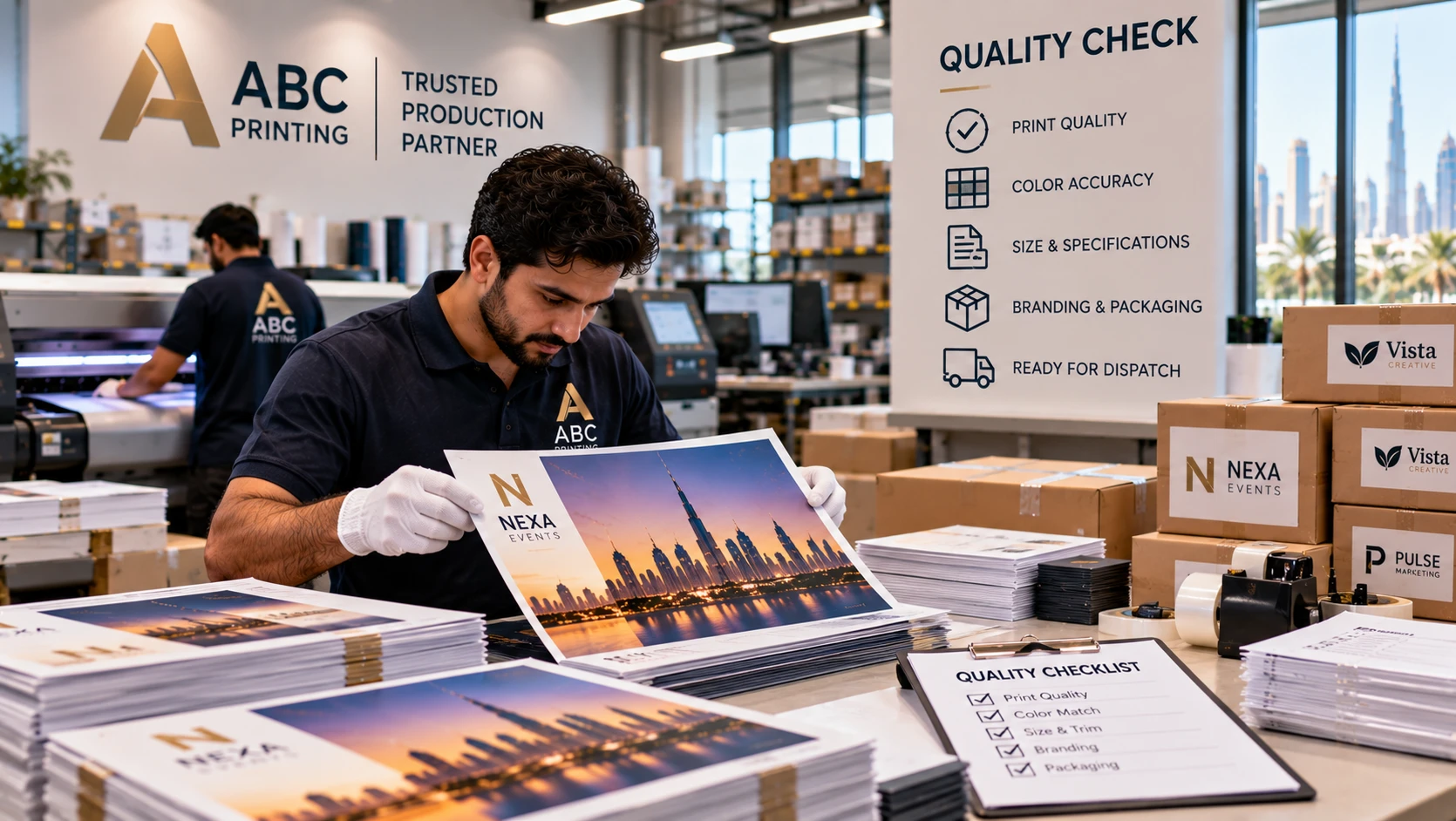
A partner arrangement only works well if the fulfilling shop can reliably meet the quality and timeline standards the arrangement requires, since inconsistent output reflects on the partner relationship as much as on any individual order. Shops considering a partner model should honestly assess their current capacity and consistency before committing to additional order volume, since taking on more than can be reliably fulfilled damages the arrangement for both sides.
Technology and Order Tracking in a Partner Model
As partner order volume grows, keeping track of who ordered what, under which client relationship, and at what stage of production, becomes harder to manage through informal communication alone. Many established partner networks use shared systems or clear reporting processes so both the client-facing partner and the fulfilling shop have visibility into order status without constant back-and-forth messages. If you're evaluating a partner arrangement, ask how order tracking and status updates are typically handled, since this affects how smoothly day-to-day operations run once volume increases. [CONFIRM: order tracking and reporting systems]
Branding and Presentation in a White-Label Arrangement
Depending on the specific arrangement, a white-label order might be packaged and delivered under the partner's branding entirely, with no indication of who physically produced it, or it might involve a co-branded or transparent arrangement where both parties are visible to the end client. This is typically defined clearly at the start of a partnership, since it affects packaging, delivery documentation, and how any client-facing communication is handled. [CONFIRM: branding and presentation requirements]
White-Label Printing Beyond a Single Order
For many partner shops, white-label fulfillment becomes a recurring part of their business rather than a one-off arrangement, with regular order flow from the same partner relationship over months or years. This kind of ongoing relationship tends to benefit from the same things that benefit any long-term business partnership: clear, consistent communication, predictable quality, and both sides being honest early about capacity limits rather than overcommitting to keep a relationship looking strong in the short term. A partnership that starts with realistic expectations on both sides tends to last longer and grow more steadily than one built on an initial rush of volume that later proves unsustainable.
Is a Partner Model Right for Every Print Shop?
Not every print shop benefits equally from a partner arrangement. A shop already at full capacity with its own direct client base may find limited value in additional partner-sourced orders, while a shop with real spare capacity and a desire to grow without a proportional marketing investment may find it a genuinely useful growth channel. Consider your own current capacity, growth goals, and comfort with the specific terms of an arrangement before deciding whether it fits your business.
How Does This Differ From Simply Subcontracting?
White-label partnership and general subcontracting can look similar on the surface; both involve one business producing work that another presents to a client, but they typically differ in structure and consistency. Subcontracting is often a one-off or occasional arrangement for a specific job that exceeds a business's own capacity at a given moment. A white-label partnership is usually a more structured, ongoing relationship with defined processes, quality expectations, and, often, some degree of shared branding or presentation standards built in from the start. Understanding which kind of relationship you're entering helps set the right expectations on both sides from the outset.
Common Questions About White-Label Arrangements
- Does the end client know who actually produced their order? This depends on the specific arrangement's branding terms, which can range from fully hidden to fully transparent.
- How is pricing typically structured in a partner model? This varies by arrangement and is set out directly between the parties involved.
- What happens if a partner order can't be completed on time? Clear communication protocols should be agreed upon as part of the partnership before orders begin flowing.
- Can a shop work with more than one partner arrangement at once? This depends on the specific terms of each arrangement and any exclusivity clauses involved.
Getting Started With a Partner Conversation
If you're considering a white-label or partner relationship for the first time, the most useful first step is an open conversation about your shop's current capacity, equipment, and the type of work you're best positioned to fulfill, rather than committing to specific volumes before those details are clear. A well-matched partnership starts with an honest picture of what each side brings and needs, which makes it far easier to agree on workable terms than starting from a generic template and adjusting later.
Common Partner Model Mistakes to Avoid
- Committing to more volume than current capacity supports. Be realistic about what can be reliably fulfilled before taking on partner-sourced orders.
- Not clarifying pricing and terms upfront. Get the pricing structure, quality expectations and timeline requirements confirmed before starting.
- Treating partner orders with less care than direct client orders. Consistent quality across both protects the relationship.
- Ignoring branding and presentation requirements. Confirm exactly how orders should be packaged and delivered under the arrangement.
- Entering an arrangement without understanding exclusivity terms. Confirm whether the partnership restricts working with other partners or direct clients in the same category.
Frequently Asked Questions
Q. What is white-label printing?
Ans. It means a print job is fulfilled by one party but presented to the end client under a different brand, typically the client-facing partner rather than the producing shop.
Q. Why would a print shop want to be part of a partner network?
Ans. It can provide access to order volume without the marketing investment needed to build that client base independently, particularly useful for shops with spare capacity.
Q. How does pricing work in a white-label partnership?
Ans. Terms are set out directly between the parties involved and vary by arrangement. Confirm specifics before committing.
Q. Does my shop need special equipment to become a white-label partner?
Ans. This depends on the specific products and volume the arrangement requires. Discuss your current capability directly.
Q. Is a white-label arrangement exclusive?
Ans. This depends on the specific terms agreed. Confirm exclusivity requirements before entering an arrangement.
Learn More About the Print Emirates Partner Model
If working within a white-label partner network could suit your print shop's capacity and growth goals, see our guide on how local print shops can get more orders, or contact Print Emirates to discuss how the model works and what it would involve for your business.